

In 2012 Google's People Operations team launched a project named after Aristotle, who observed that the whole is greater than the sum of its parts. The question was very Google: given enough data, could you find the formula for the perfect team?
The starting hypothesis sounded obvious. Great teams have the right mix of people: enough brilliant engineers, enough experience, balanced personalities, perhaps an extrovert or two to keep the mood up. The researchers analysed 180 teams, 115 engineering project teams and 65 sales pods, a mix of high and low performers ranging from 3 to 50 people1. Effectiveness was measured four ways: evaluation by executives, by team leaders, by team members themselves, and for sales teams, performance against quarterly quota1.
What mattered less than expected
The results surprised the researchers themselves. Many variables companies use to build teams turned out not to be significantly connected to effectiveness: whether members sat together, whether decisions were made by consensus, whether members were extroverts, individual performance, workload, seniority, team size and tenure1.
Google summed it up in one line: what really mattered was less about who is on the team and more about how the team worked together1.
The researchers identified five dynamics, in order of importance1:
- Psychological safety. Members feel able to take interpersonal risks, such as asking a question that sounds foolish or admitting a mistake, without fear of embarrassment or punishment.
- Dependability. People get quality work done on time.
- Structure and clarity. Everyone understands expectations, processes and the consequences of their work.
- Meaning. The work matters personally to the people doing it.
- Impact. People believe their work genuinely contributes to the organisation.
Google described the first as the foundation for the other four. And the definition it used was not Google's. It had been written in 1999 by a researcher who stumbled on it in a hospital.
A wrong hypothesis in a hospital
In the early 1990s Amy Edmondson was a doctoral student at Harvard, working on a study of medication errors at two hospitals. Her hypothesis came from aviation: teams that worked well together would make fewer errors2.
The data came back the other way round. The units with the best teamwork scores had higher detected error rates, not lower2.
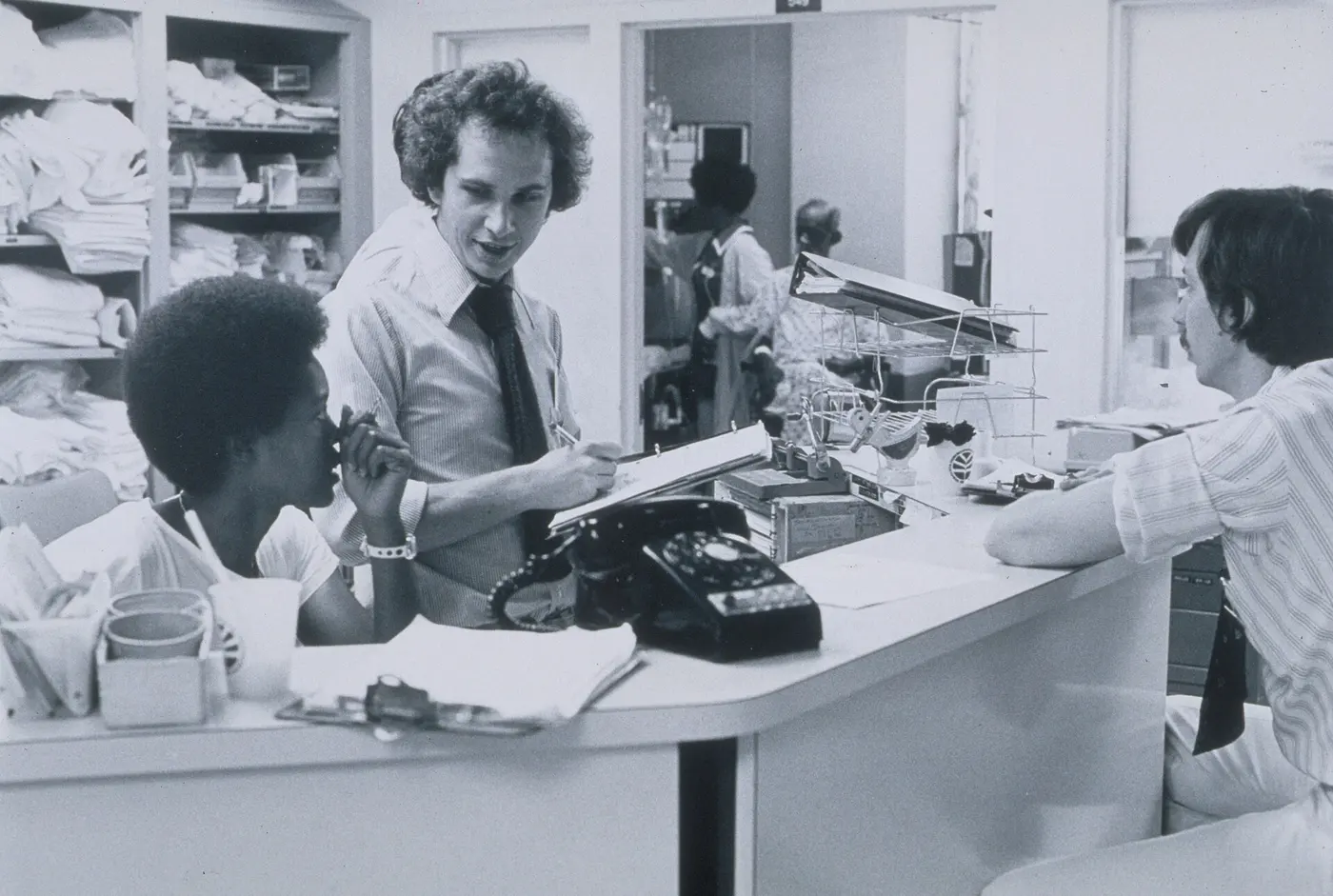
Edmondson nearly wrote it off as a failure. Then she realised the number measured errors reported, not errors made. She asked a research assistant, Andy Molinsky, to observe the units without telling him which had scored high or low. He came back with very different notes. In some places people discussed mistakes openly. In others, staff described being belittled and made to feel ashamed, and so they kept quiet2.
Her conclusion was simple: better teams probably do not make more mistakes, they just talk about them more openly2. In 1999 she defined this as psychological safety, a shared belief held by members of a team that the team is safe for interpersonal risk-taking3. Sixteen years later Google used exactly that definition for its number-one dynamic1.
Why this matters for Vietnamese workplaces
In a team without psychological safety, bad news travels slowly. A worker hears an odd noise from a machine but does not report it for fear of being asked why they did not say so earlier. A newcomer does not ask questions for fear of looking slow. A team leader knows a project is late but keeps reporting "on track" until the final week.
A culture that respects hierarchy, avoids confrontation and fears losing face in front of the group can make this worse in many workplaces. But psychological safety does not mean being soft or avoiding criticism. Edmondson stresses that it goes with high standards: people speak up precisely because they care about the outcome.
The good news is that it depends heavily on the behaviour of the direct manager, and behaviour can be taught.