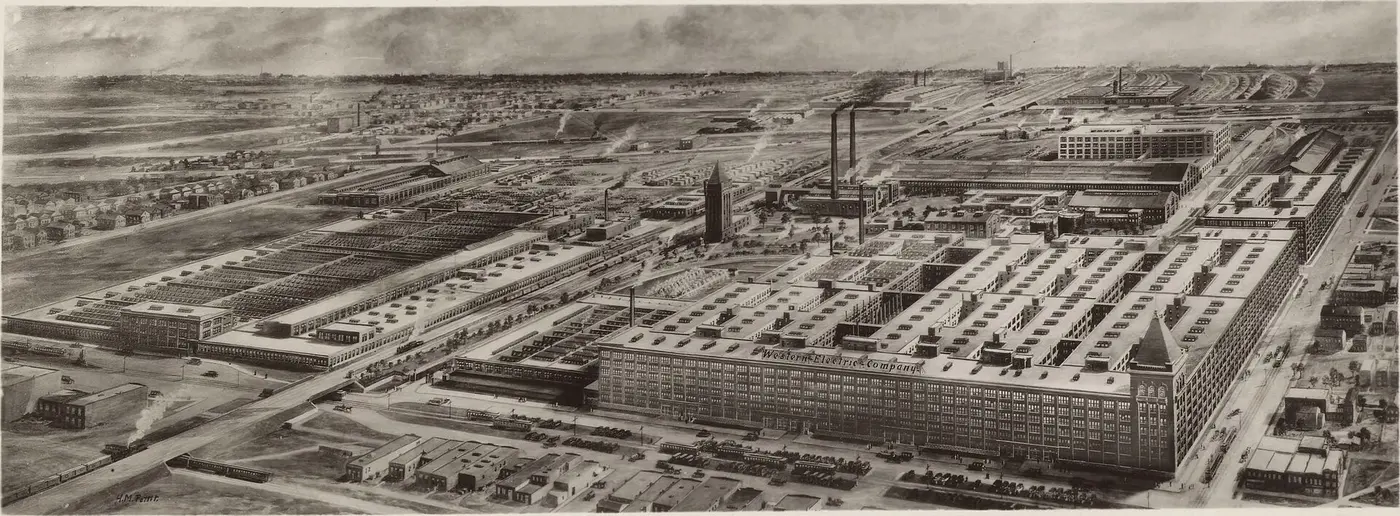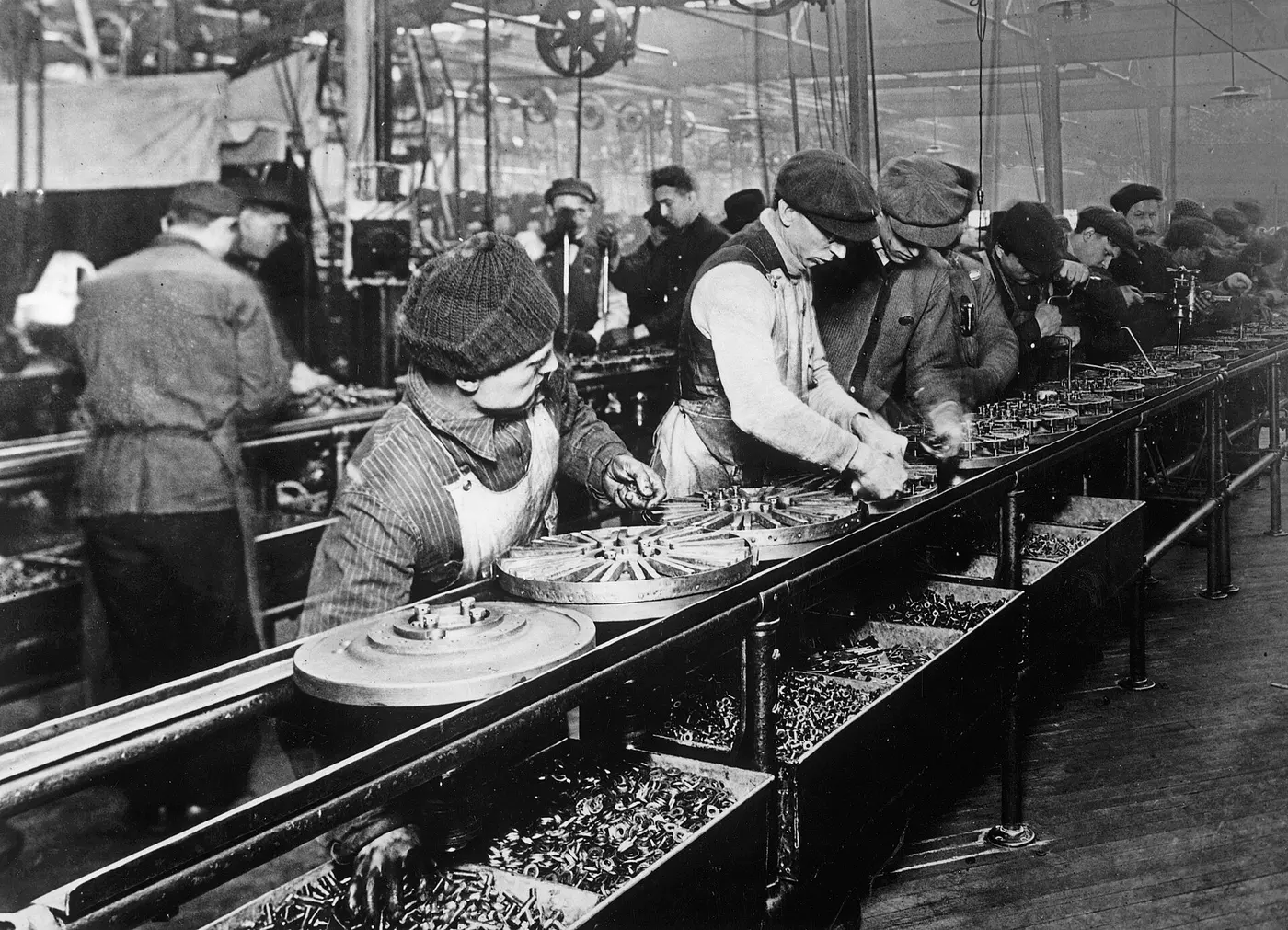
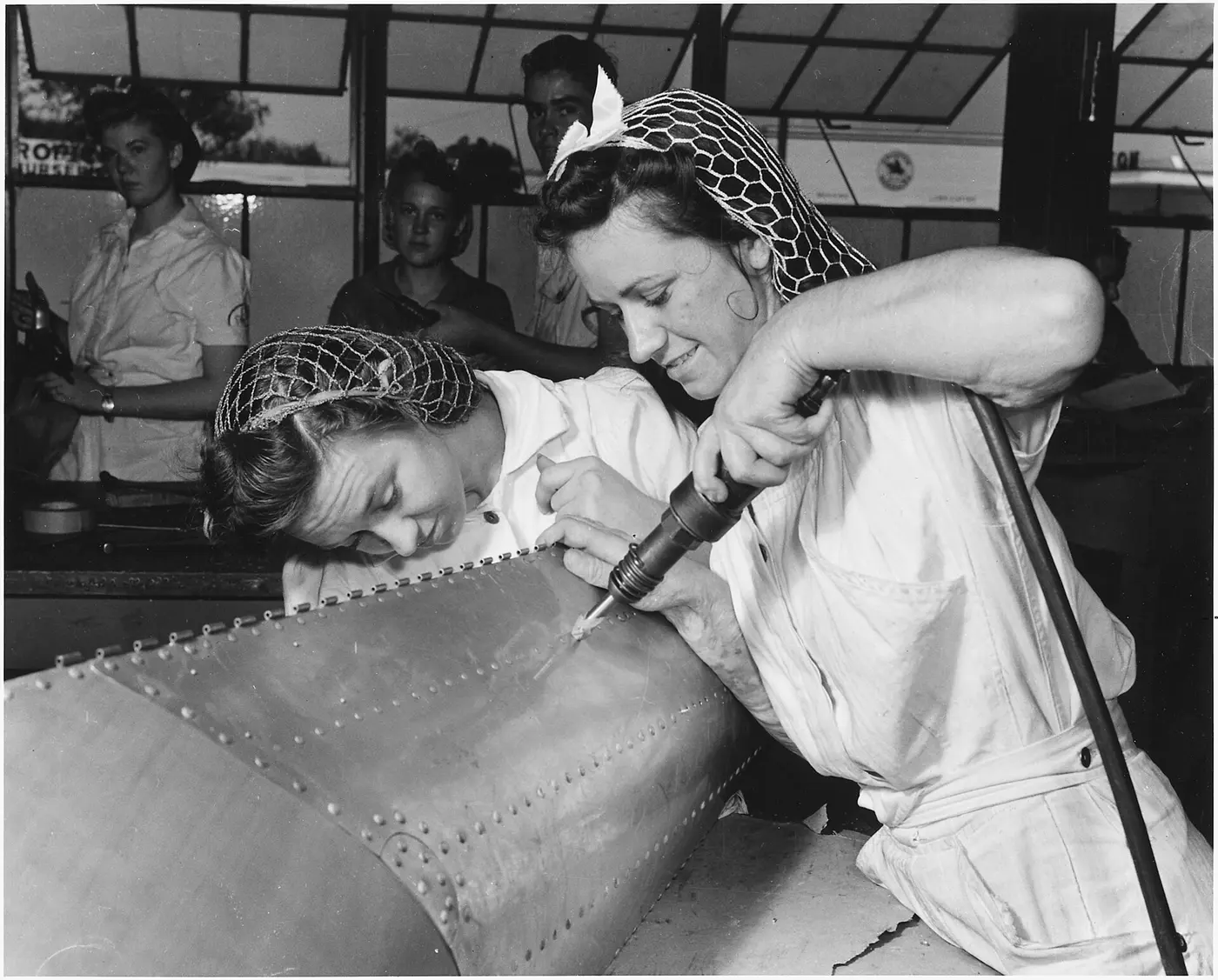
In 1940, before the United States had even entered the war, its defence factories were caught in a paradox. Orders for aircraft, ships and munitions were soaring while the most skilled workers were leaving for military service. Their replacements were farmhands, office clerks and women who had never set foot in a workshop. Nobody had time for a two-year apprenticeship.
The US government set up a small agency called Training Within Industry, TWI for short. It did not train workers itself. It taught supervisors how to train their own workers1.
One card and ten hours
TWI's best-known programme was Job Instruction. It lasted exactly ten hours, in five two-hour sessions. The learners were team leaders and foremen, the people who had to break in newcomers every day1. It was built on a four-step method that educator Charles Allen had developed during the First World War to train shipbuilders1.
The whole method was printed on a card small enough for a shirt pocket. The card listed four steps:
- Prepare the worker. Put them at ease, state the job, find out what they already know, get them interested, place them in the correct position.
- Present the operation. Tell, show and illustrate one important step at a time. Stress each key point. Teach no more than they can master.
- Try out performance. Have them do the job and correct errors at once. Have them do it again and explain each key point. Continue until you know they know.
- Follow up. Put them on their own, tell them whom to ask for help, check often, then taper off.
At the bottom was a line every trainer should copy out: if the worker hasn't learned, the instructor hasn't taught2.
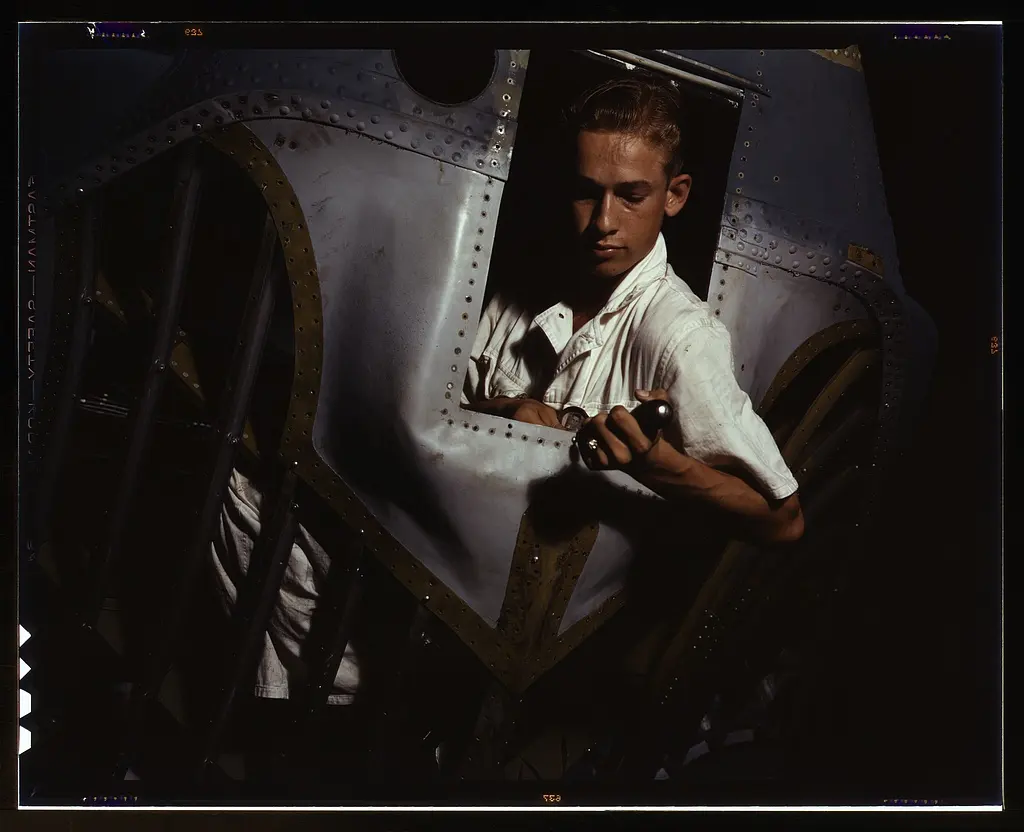
That line reverses the usual instinct. When a new worker makes a mistake, the reflex is to blame them for being slow, careless or not listening. TWI makes the coach ask instead: did I break the job into steps, point out the key points, and have them try it and explain it back?
Results that could be measured
By the time it closed in 1945, TWI had issued more than 1.7 million certificates across more than 16,500 plants1. In a 1946 report to the International Labour Organization, programme director C. R. Dooley summarised data from over 600 client companies: more than 86 percent recorded improvements of at least 25 percent in measures such as output and training time3.
Then the war ended. Soldiers came home to their old jobs, most of the TWI-trained workforce left the shop floor, and the method was quickly forgotten in the country that invented it4.
To Japan, and staying there
At the same time, the American occupation was looking for ways to restore Japanese industry. TWI was taken over, and in 1950 Japan's Ministry of Labour formally introduced it5.
Toyota was among the earliest adopters. According to the company's official history, Job Relations classes began in April 1951 and Job Instruction classes in January 1952. Decades later Toyota was still using the programmes and developing its own versions: TJM in 1968, TJI in 1982, TJR in 19855. Team leader training in the TWI tradition remains part of the Toyota Production System today4.
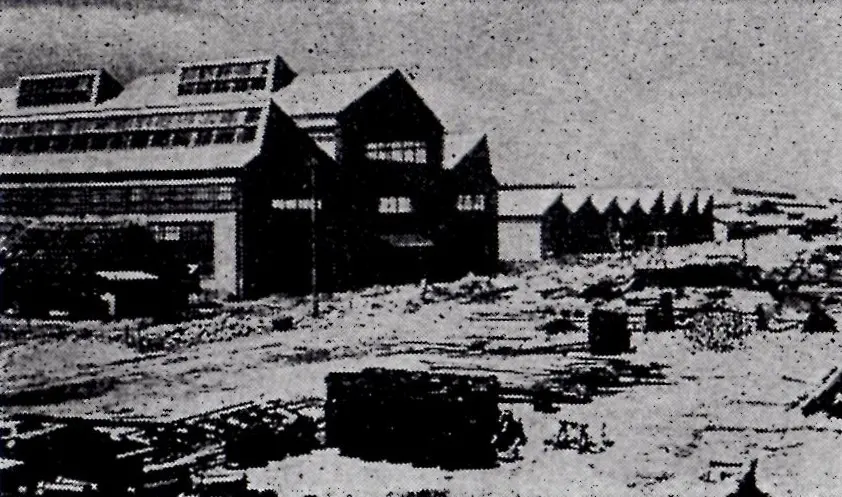
The irony is that when American managers rushed to study "Japanese methods" in the 1980s, part of what they were studying was something America had made itself and then abandoned.
Why it is still worth using
In many Vietnamese factories the most common way of breaking in a newcomer is still "watch, then copy". The new hire is placed next to an experienced worker, who talks a little while working and then hands over the machine. The approach depends entirely on whether the experienced worker can teach, and doing a job well and teaching it well are different skills.
The most valuable part of Job Instruction is usually skipped: the preparation before teaching. Break the job into its important steps and, for each one, write down the key points, the things that make it right or wrong, safe or dangerous, easy or hard. A skilled worker does these things by reflex, and precisely because they are reflexes, forgets to say them.